
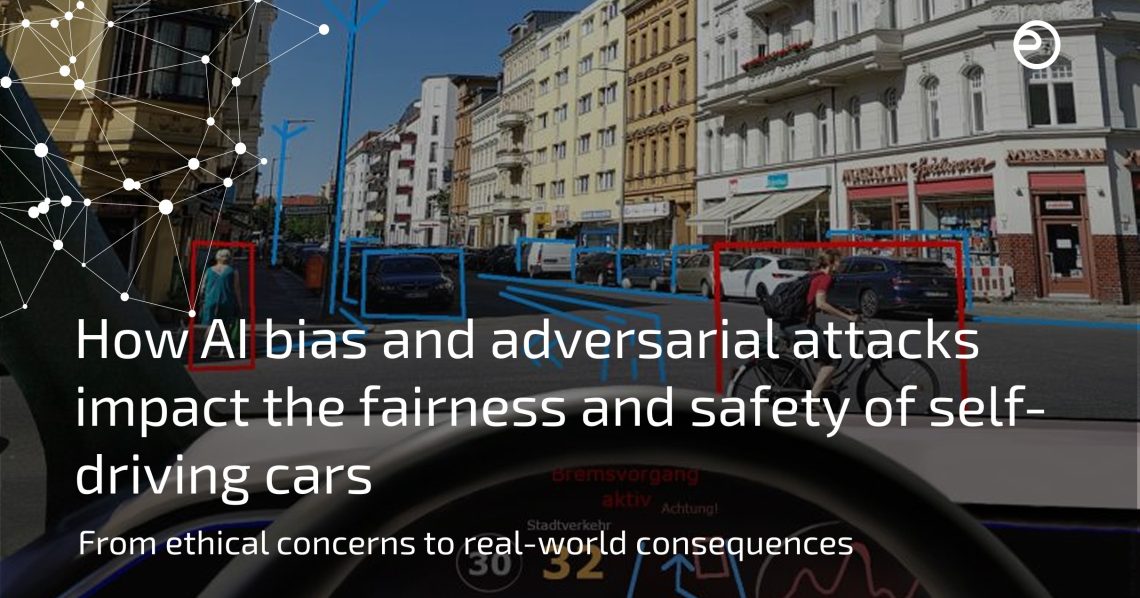
In San Francisco, a self-driving car (SDC) ran over and dragged a pedestrian 20 feet before finally coming to a halt. There have also been numerous reported cases of driverless cars driving through active crime scenes. Yet another blocked the path of an ambulance rushing to the scene of a mass shooting. In these vehicles, actions and decisions are powered by the AI-driven control system, often trained on datasets that may not represent all environmental variations (such as urban vs rural settings and an array of weather conditions) and pedestrian demographic variations (such as age, gender, and race). These gaps can result in SDCs posing major risks to passengers, pedestrians, motorists, and infrastructure.
Open Ethics Transparency Disclosure Guide
Transparency in AI is not just a legal requirement, it is a fundamental principle that fosters trust, accountability, and responsible innovation. The Open Ethics Transparency Disclosure is a valuable tool which helps you enhance transparency in AI systems, supporting compliance with global AI regulations.
Standards and Considerations for Medical Data Disclosure For Open Ethics Transparency Protocol
In the context of understanding, possibly developing, and enhancing an ethical framework for healthcare applications, we face fragmented, evolving standards on medical data disclosure. In light of these significant barriers, we evaluate and discuss a proposed modular integration of legal, ethical, and technical disclosure standards (e.g., HIPAA, GDPR, Xcertia, ISO/IEEE 11073)¹ into transparency, autonomy, and compliance processes across jurisdictions.
ReAL – Requirements for Autonomy Levels
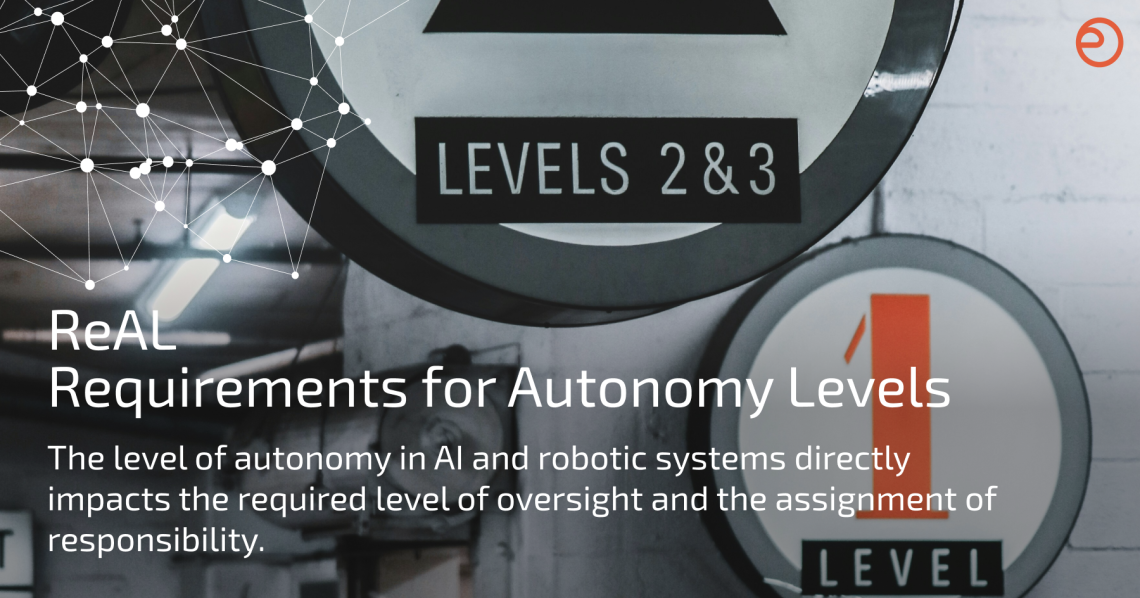
Understanding the autonomy level of a system is crucial for making informed decisions about its integration, design, and operation. It allows you to determine how much human intervention is required, the necessary level of oversight, and the decision-making authority the system should have. By knowing the autonomy level, you can ensure the system operates effectively, efficiently, and safely, while also addressing ethical concerns, managing risks, and optimizing performance.
Read MoreSelf Driving Car Ethics: Beyond A Glorified Trolly Problem
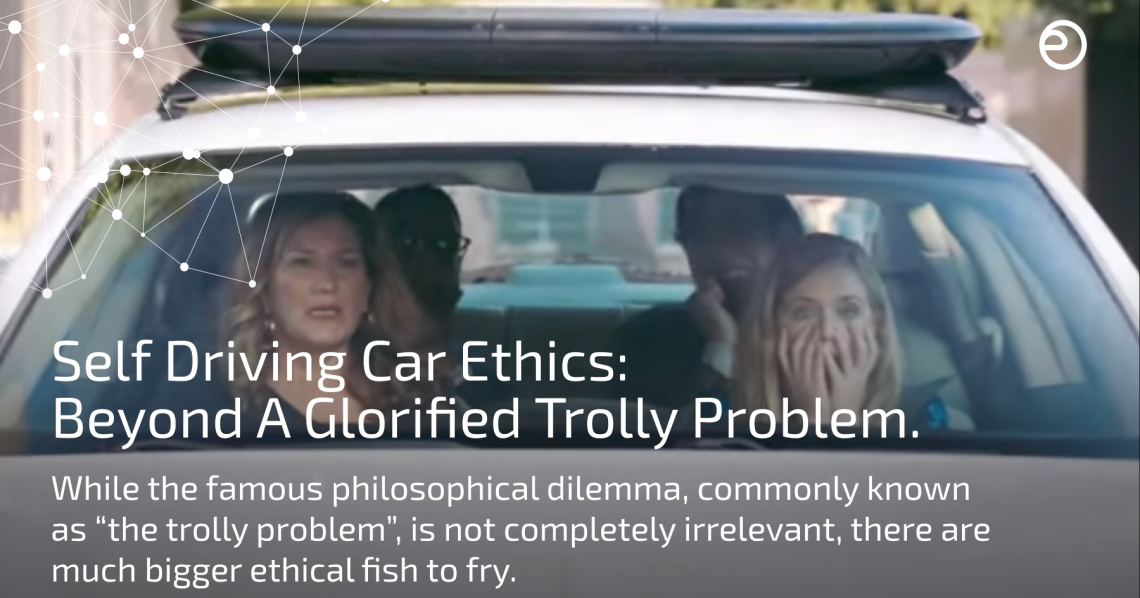
The self-driving cars ability to accurately decide on which lives to save and which to sacrifice very much depends on its ability to detect each and every one of those lives to begin with.
Is there a risk of self-driving cars identifying some pedestrians but not others? The short answer is yes, there is. While the famous philosophical dilemma, commonly known as “the trolly problem”, is not completely irrelevant, there are much bigger ethical fish to fry.
Balancing Act: Navigating Safety and Efficiency in Human-in-the-Loop AI
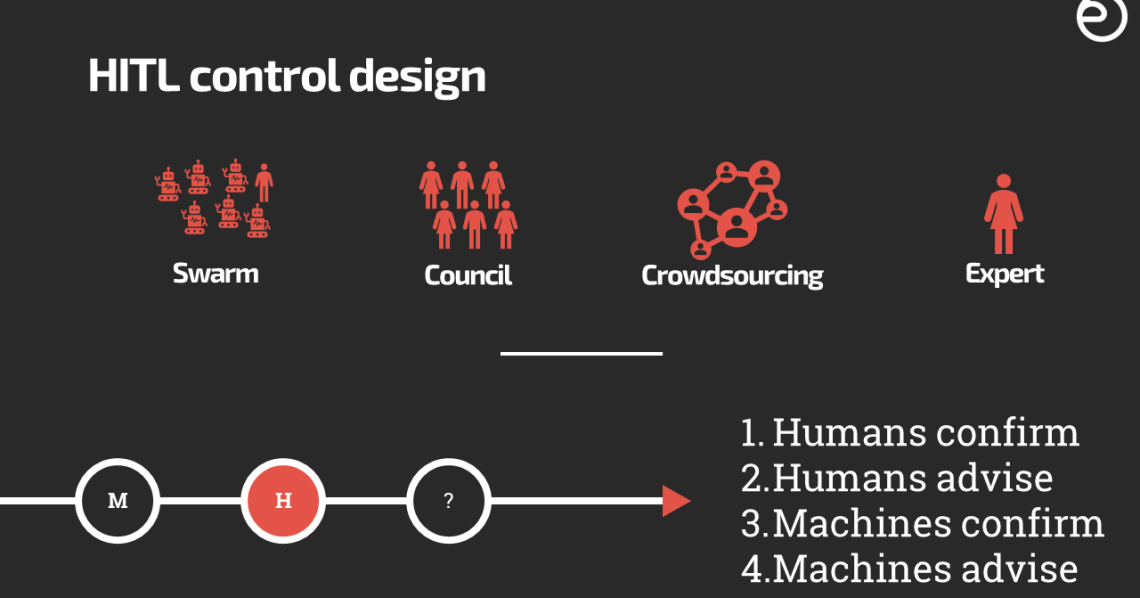
Deploying AI in production brings some challenges and trade-offs between safety and efficiency. Humans are setting up, tuning, testing, and using the AI systems, providing feedback and guidance to the machines.
Read MoreThe Ethical Implications of Autonomous Vehicles
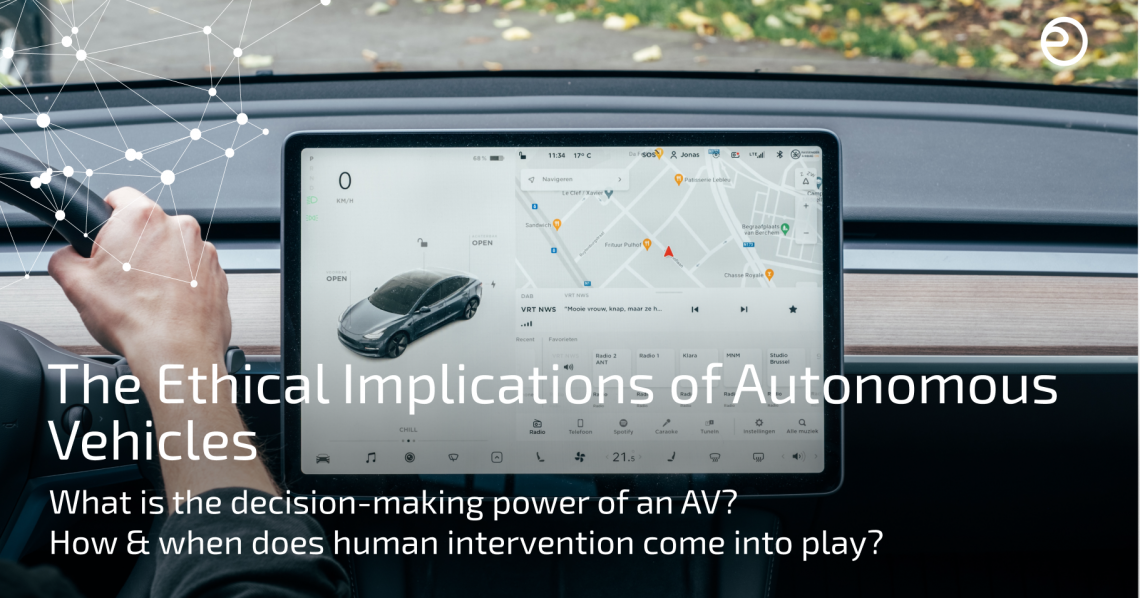
But what can go wrong? We’ll take a look on how people relate to AVs, we’ll assess the risks of self-driving cars through the looking-glass of ethics & immerse ourselves into an ethical design approach as a potential solution to everything we’re about to cover..
Autonomous Vehicles & their Levels of Automation
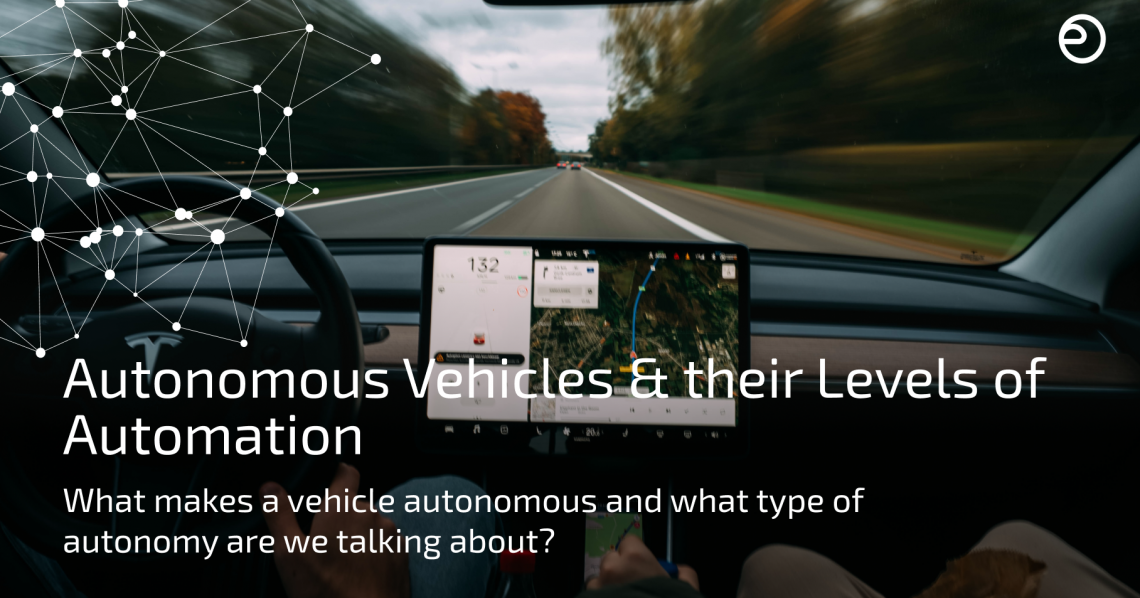
What decision does a self-driving car take in case of imminent, fatal accident? What happens in case of data poisoning if someone hacked the system and hijacked your car? And moreover, do you trust the technology enough to buy a self-driving car to begin with?
Biometric Surveillance in Public Spaces – The Humpty-Dumpty of Privacy & Safety
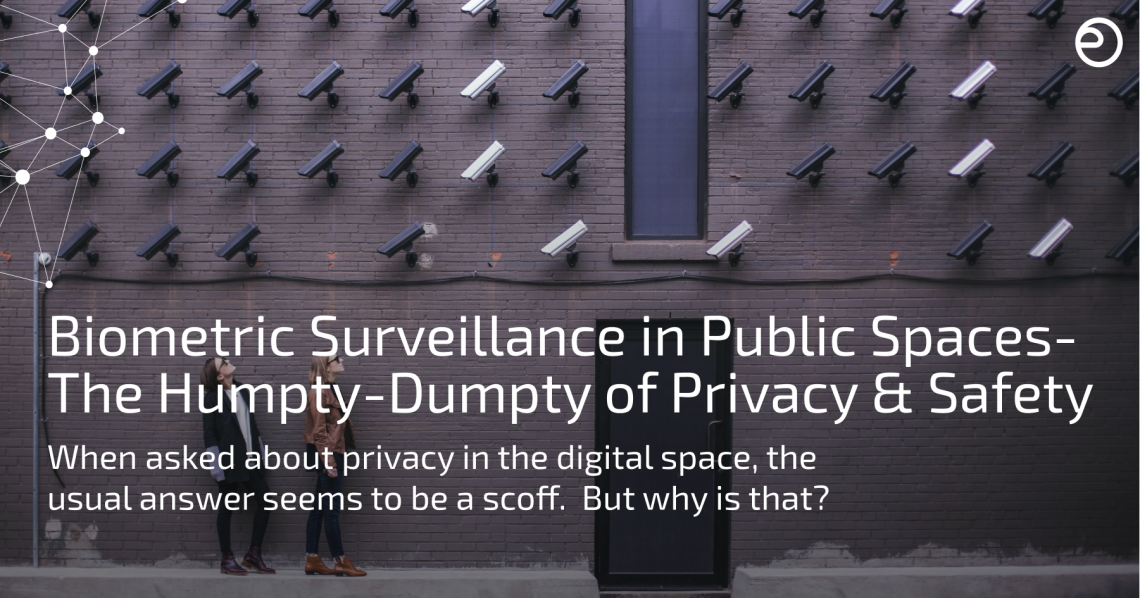
When asked about privacy in the digital space, the usual answer seems to be a scoff. Sometimes it is even followed by a taunting sneer with a tint of “there is nothing we can do about it though” look. But why is that?
Why algorithmic transparency needs a protocol?
Consumers are confused. They are exposed to products of multiple origins each following their own path to “ethical” data processing and decision making. Is there anything we could do?
Read More