
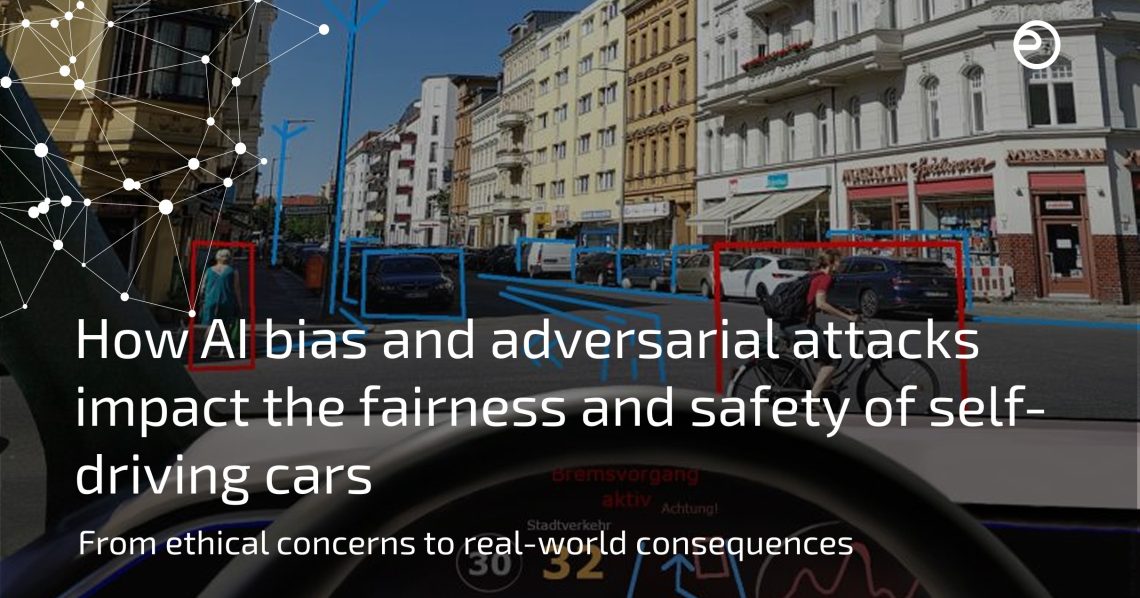
In San Francisco, a self-driving car (SDC) ran over and dragged a pedestrian 20 feet before finally coming to a halt. There have also been numerous reported cases of driverless cars driving through active crime scenes. Yet another blocked the path of an ambulance rushing to the scene of a mass shooting. In these vehicles, actions and decisions are powered by the AI-driven control system, often trained on datasets that may not represent all environmental variations (such as urban vs rural settings and an array of weather conditions) and pedestrian demographic variations (such as age, gender, and race). These gaps can result in SDCs posing major risks to passengers, pedestrians, motorists, and infrastructure.
The escalating risks of mass biometric surveillance in the age of AI | Part 1
What’s worse than being constantly watched? Not knowing you’re being watched, or that your unique physical and biological information is being fed into a vast surveillance infrastructure that you have no control over. From ICE’s use of facial recognition on the streets in the US to Hungary identifying and tracking Pride event attendees, China’s monitoring of ethnic minorities, France normalizing mass surveillance during the Paris Olympics, and the monitoring of political dissenters in Africa, these security systems are rapidly blurring the line between targeted and mass surveillance.
The escalating risks of mass biometric surveillance in the age of AI | Part 2
As artificial intelligence (AI) capabilities scale, the technology amplifies mass surveillance efforts and the resultant impact on democracy, human rights, and our collective agency. What’s more, as government and corporate power converges, the regulatory landscape meant to protect citizens remains spotty and absent altogether in some regions.
When machines feel too real: the dangers of anthropomorphizing AI
In this article, we explore the growing trend of human-AI relationships, what AI actually is, the risks of anthropomorphizing it, and how we can navigate this treacherous road humanity is speeding down… safely.
The AI race: Should global dominance trump AI transparency and safety?
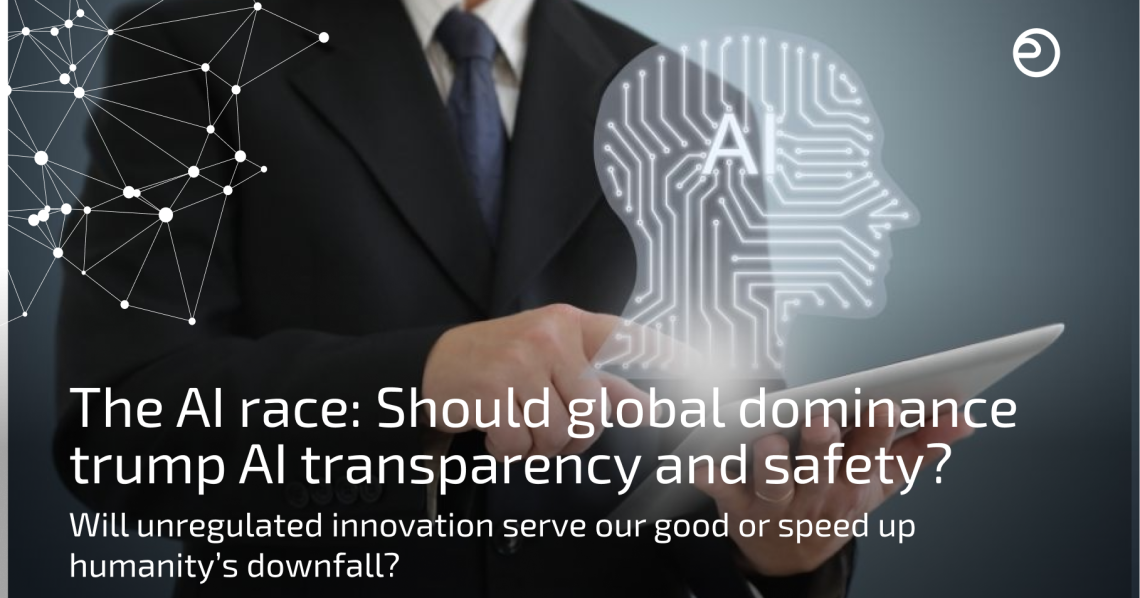
As the global race for AI dominance cranks up, what are the potential risks when superpowers like the U.S. prioritize winning over AI transparency and safety? And while ongoing advances in artificial intelligence do benefit society, will unregulated innovation serve our good or speed up humanity’s downfall?