
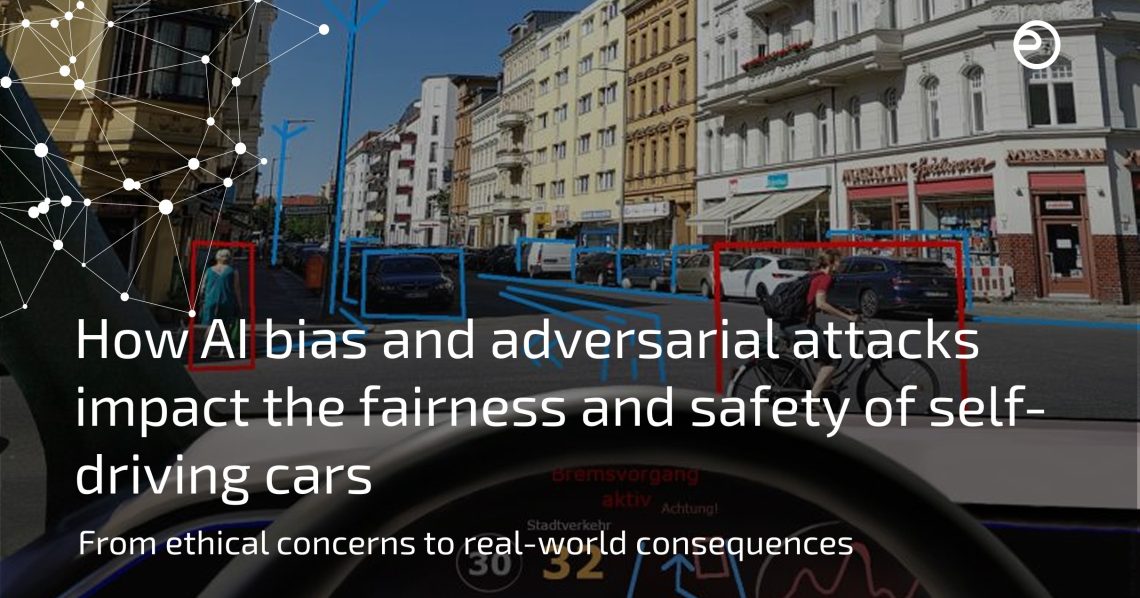
In San Francisco, a self-driving car (SDC) ran over and dragged a pedestrian 20 feet before finally coming to a halt. There have also been numerous reported cases of driverless cars driving through active crime scenes. Yet another blocked the path of an ambulance rushing to the scene of a mass shooting. In these vehicles, actions and decisions are powered by the AI-driven control system, often trained on datasets that may not represent all environmental variations (such as urban vs rural settings and an array of weather conditions) and pedestrian demographic variations (such as age, gender, and race). These gaps can result in SDCs posing major risks to passengers, pedestrians, motorists, and infrastructure.
Self Driving Car Ethics: Beyond A Glorified Trolly Problem
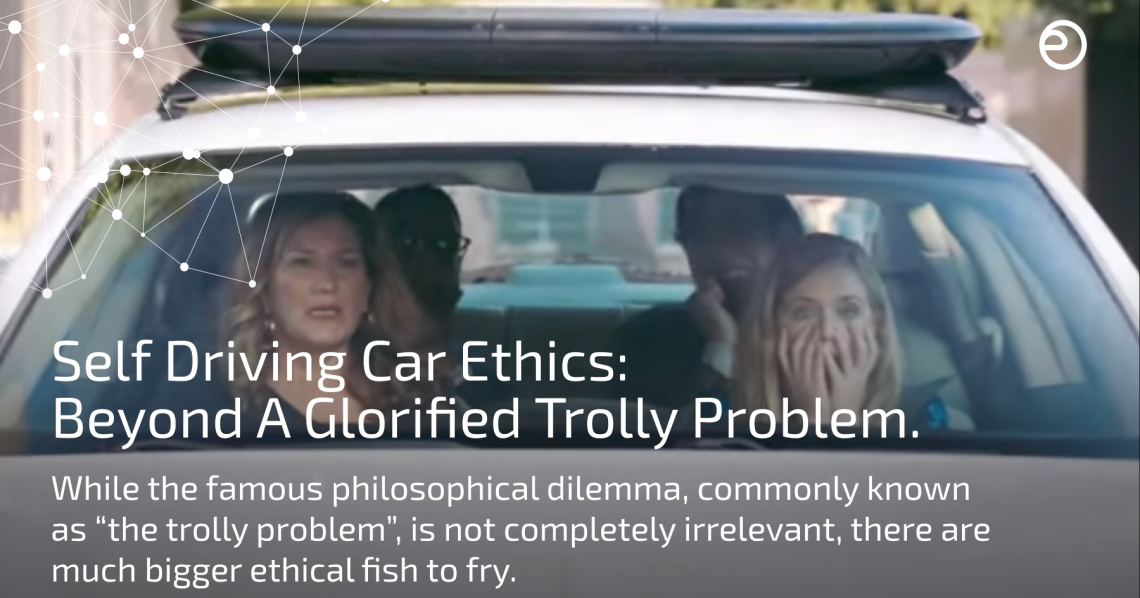
The self-driving cars ability to accurately decide on which lives to save and which to sacrifice very much depends on its ability to detect each and every one of those lives to begin with.
Is there a risk of self-driving cars identifying some pedestrians but not others? The short answer is yes, there is. While the famous philosophical dilemma, commonly known as “the trolly problem”, is not completely irrelevant, there are much bigger ethical fish to fry.
The Ethical Implications of Autonomous Vehicles
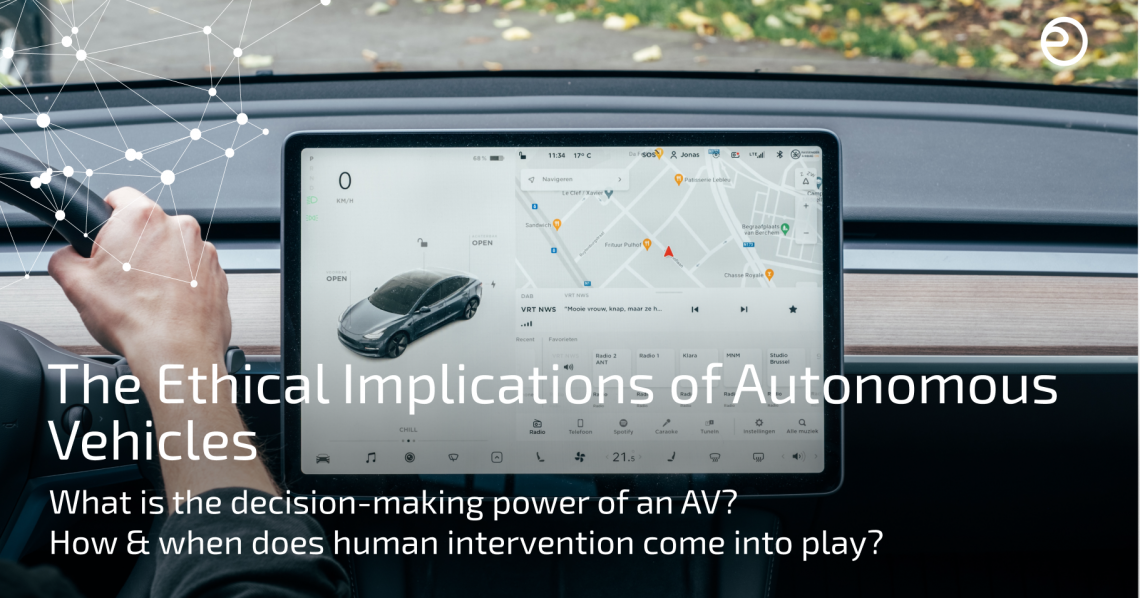
But what can go wrong? We’ll take a look on how people relate to AVs, we’ll assess the risks of self-driving cars through the looking-glass of ethics & immerse ourselves into an ethical design approach as a potential solution to everything we’re about to cover..